The Hidden Dangers of Mold in Residential and Commercial Buildings
April 1, 2026
CLEVER NEWSLETTER – APRIL 2026
Why Mold Matters
- Health Risks: Mold exposure can trigger allergies, respiratory issues, and other health problems.
- Property Damage: Mold can compromise structural integrity and decrease property value.
- Financial Impact: Mold remediation can be costly.
Common Mold Types
- Residential: Stachybotrys, Penicillium, Aspergillus (often linked to water damage)
- Commercial: Chaetomium, Cladosporium (common in HVAC systems) Prevention and Detection
- Regular inspections
- Fix leaks promptly
- Control humidity
- Ensure proper ventilation
Prevention and Detection
- Regular inspections
- Fix leaks promptly
- Control humidity
- Ensure proper ventilation
Clever Property Inspections' Solution:
Our expert team uses advanced tools to detect mold early, ensuring your property is safe and healthy. We provide comprehensive reports and recommendations for remediation.
Get Peace of Mind: Schedule your today!
Contact us today @ 409-748-0731 or 409-273-9944 or www.cleverpropertyinspections.com to schedule your home inspection and take the first step towards a safer, healthier home.

Learn what a Beaumont pre-purchase home inspection covers, how long it takes, and how to use the report to negotiate — with SE Texas-specific red flags.
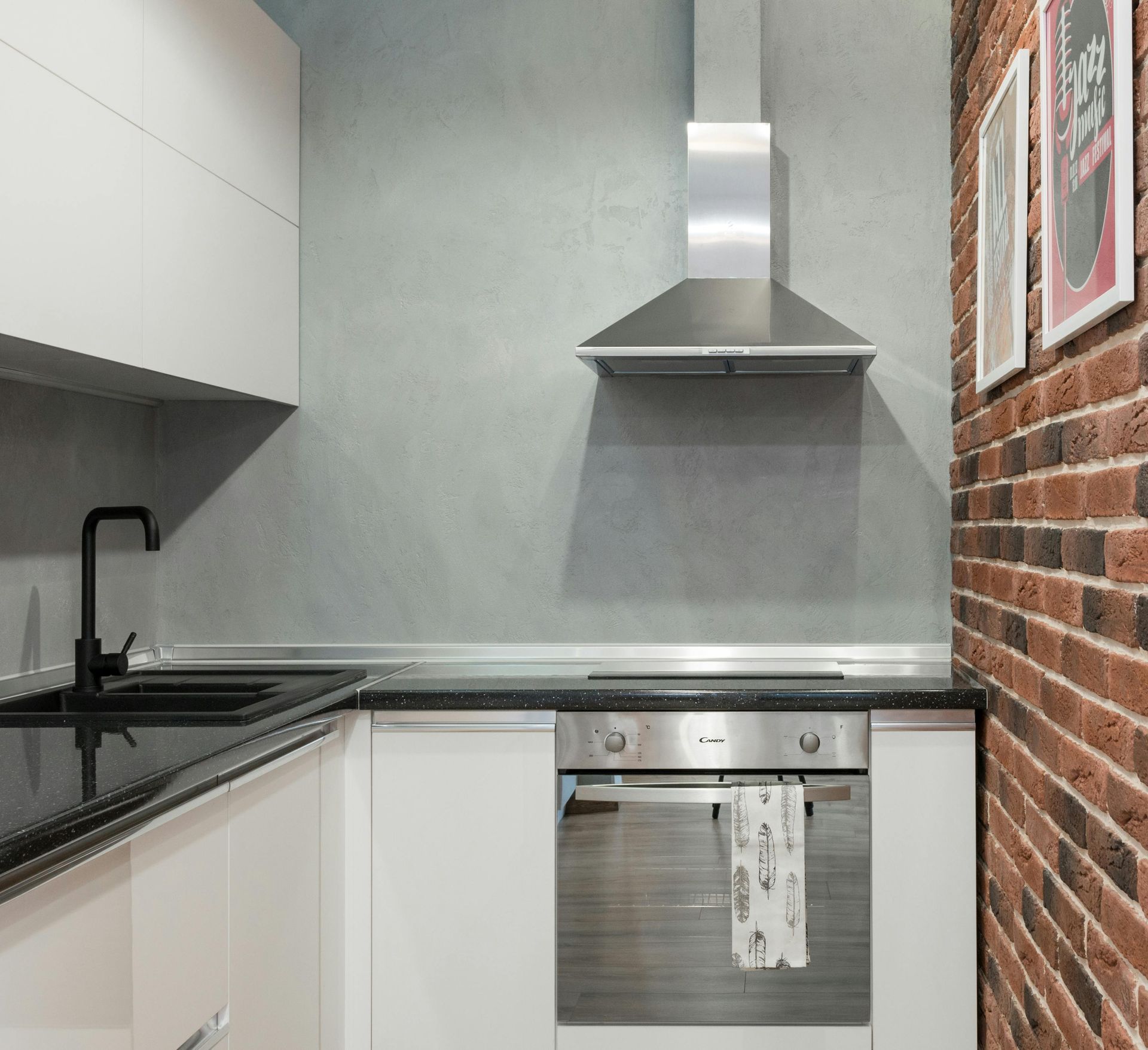
A Guide for Homeowners If you have a gas stove or oven in your home, a range hood is an essential component of your kitchen ventilation system. In this post, we'll explore the importance of vented appliances, and common issues that can arise without one. Why Are Vented Range Hoods Important for Gas Stoves and Ovens? Range hoods are designed to remove airborne pollutants, moisture, and cooking odors from your kitchen. When used with gas appliances, vented range hoods play a critical role in: 1. Removing combustion byproducts produce combustion byproducts, including nitrogen dioxide, carbon monoxide, and particulate matter. A range hood helps remove these pollutants from your kitchen, improving indoor air quality. 2. Reducing moisture: Cooking with gas appliances can produce excess moisture, which can lead to mold and mildew growth. A range hood helps remove moisture, reducing the risk of water damage and indoor air quality issues. 3. Eliminating cooking odors: A range hood helps remove cooking odors and particles, leaving your kitchen smelling fresh and clean. Common Issues Without a Vented Range Hood Without a vented range hood, gas stove and oven users may experience: 1. Poor indoor air quality: Combustion byproducts and particulate matter can accumulate in the kitchen, compromising indoor air quality. 2. Increased moisture: Excess moisture can lead to mold and mildew growth, damaging surfaces and compromising indoor air quality. 3. Unpleasant odors: Cooking odors can linger in the kitchen, making it uncomfortable to cook and socialize. Tips for Homeowners To get the most out of your vented range hood: 1. Use it during cooking: Turn on the range hood during cooking to remove pollutants and moisture. 2. Clean the filter regularly: Regularly clean the filter to ensure optimal performance. 3. Check ductwork: Ensure the ductwork is properly installed and maintained to prevent blockages and reduce efficiency. By understanding the importance of vented steps to improve indoor air quality, reduce moisture, and eliminate cooking odors in your kitchen. Invest in a quality range hood and follow these tips to create a healthier, safer, and more comfortable cooking environment.
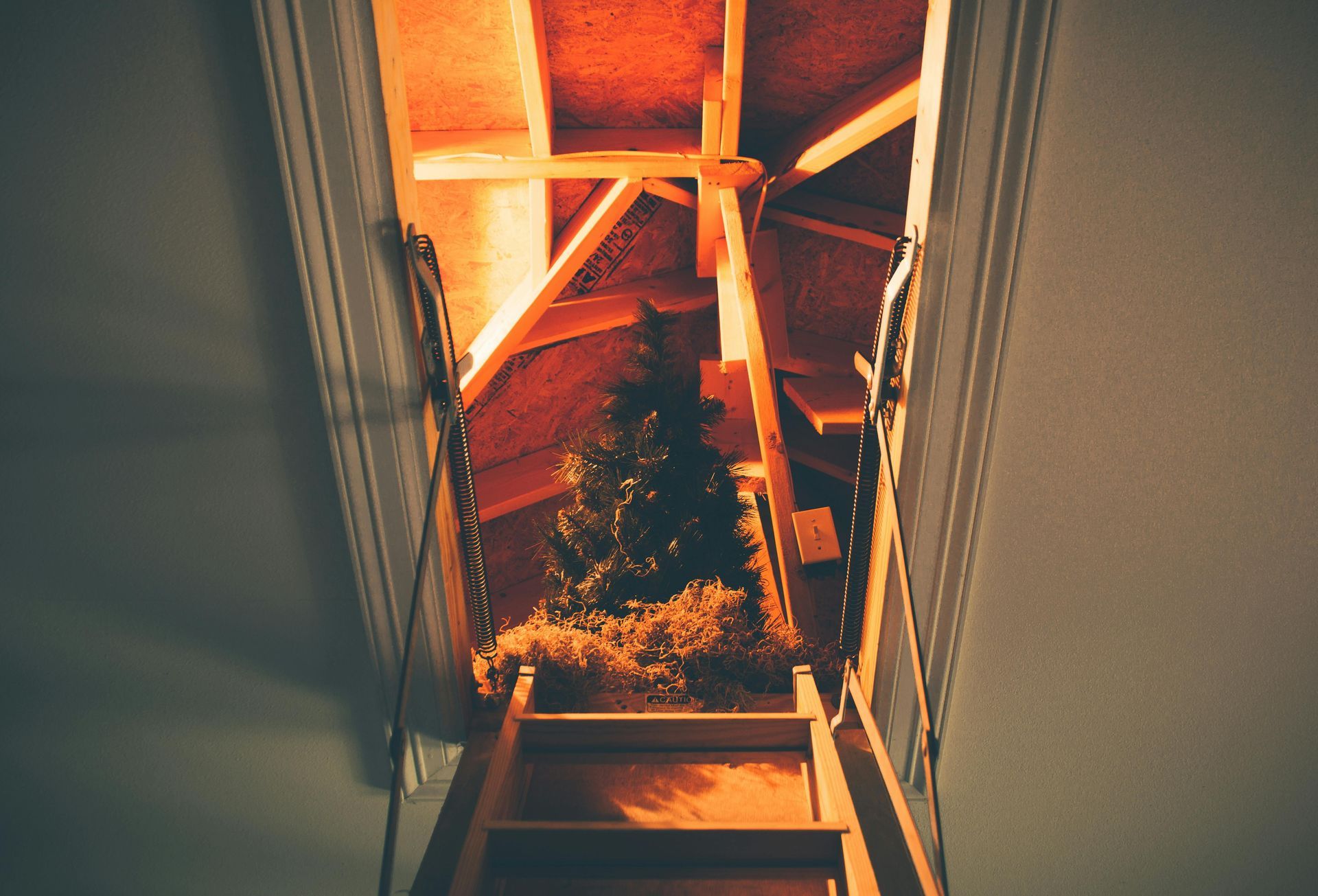
As a homeowner, you know that maintaining your home's integrity is crucial for its longevity and value. One often-overlooked aspect of home maintenance is attic ventilation. Proper attic ventilation is essential for regulating temperature, reducing moisture buildup, and preventing damage to your home's structure. In this blog post, we'll explore the importance of attic ventilation and what you can do to ensure your home's attic is well-ventilated. Why is Attic Ventilation Important? 1. Temperature Regulation: Attic ventilation helps regulate the temperature in your attic, reducing the risk of overheating and ice dams. This can help lower your energy bills and prevent damage to your roof. 2. Moisture Control: Attic ventilation allows moisture to escape, reducing the risk of mold, mildew, and rot. This helps maintain a healthy indoor environment and prevents structural damage. 3. Extended Roof Life: Proper attic ventilation can extend the life of your roof by reducing the risk of damage from heat and moisture. Signs of Poor Attic Ventilation 1. Mold and Mildew: Excessive moisture in your attic can lead to mold and mildew growth, which can spread to other areas of your home. 2. Increased Energy Bills: Poor attic ventilation can cause your heating and cooling system to work harder, leading to increased energy bills. How to Improve Attic Ventilation 1. Install Rafter Vents: Rafter vents provide airflow in the attic, helping to reduce moisture buildup and regulate temperature. 2. Add Ridge Vents: Ridge vents are installed along the peak of your roof, allowing hot air to escape and cooler air to enter. 3. Ensure Adequate Insulation: Proper insulation helps reduce heat transfer and prevents moisture buildup in your attic. 4. Regular Maintenance: Regularly inspect your attic ventilation system to ensure it's functioning properly and make repairs as needed. What to Look for During a Home Inspection When buying or selling a home, it's essential to have a thorough home inspection. During the inspection, your home inspector will evaluate the attic ventilation system, looking for signs of damage, wear, or poor installation. They may check for: 1. Adequate ventilation: Is the attic ventilation system sufficient for the home's size and climate? 2. Proper installation: Are the vents installed correctly, and are they functioning as intended? 3. Signs of damage: Are there any signs of damage or wear on the ventilation system, such as rust, corrosion, or animal infestation? Conclusion Proper attic ventilation is crucial for maintaining your home's integrity and value. By understanding the importance of attic ventilation and taking steps to improve it, you can help prevent damage, reduce energy bills, and ensure a healthy indoor environment. If you're buying or selling a home, be sure to have a thorough home inspection to evaluate the attic ventilation system.
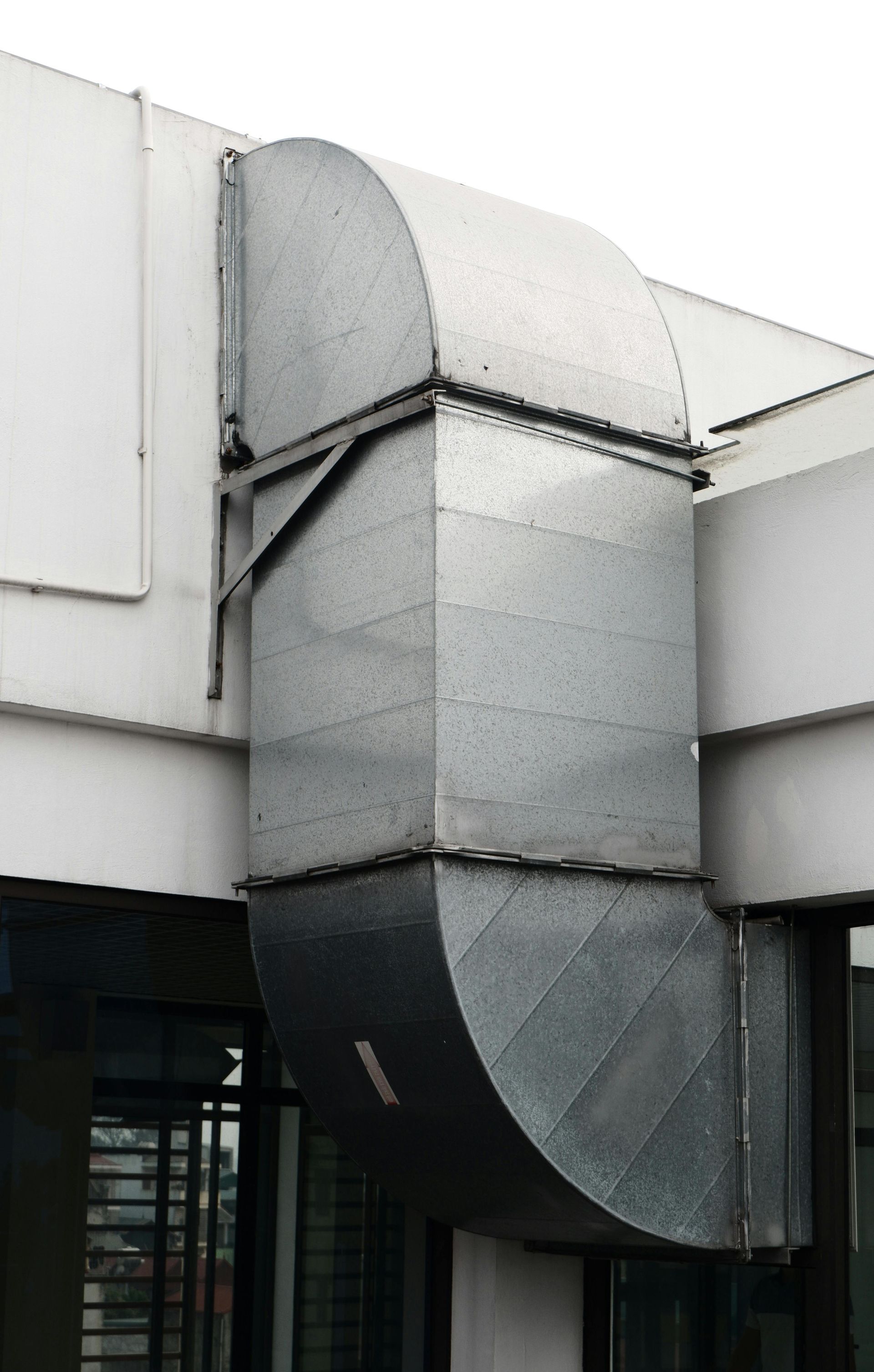
As a Home Maintenance Specialist, maintaining a comfortable and healthy living environment is a top priority. One crucial aspect of achieving this goal is ensuring your heating, ventilation, and air conditioning (HVAC) system is functioning properly. A key component of HVAC Maintenance is replacing the filters regularly. In this Clever Home Tip, we'll explore the importance of replacing HVAC filters and why it's essential for your home and health. Why Replace HVAC Filters? HVAC filters play a vital role in maintaining indoor air quality and the overall efficiency of your HVAC system. Here are some compelling reasons to replace your HVAC filters regularly: 1. Improved Indoor Air Quality: HVAC filters trap dust, pollen, mold, and other airborne pollutants preventing them from circulating in your home. Replacing filters ensures these contaminants are removed, promoting cleaner and healthier air. 2. Increased Energy Efficiency: Dirty filters can decrease airflow, causing your HVAC system to work harder and consume more energy. By replacing filters, you'll enjoy improved system efficiency, reduced energy bills, and a lower carbon footprint. 3. Extended HVAC System Lifespan: Failing to replace filters can lead to increased wear and tear on your HVAC system, potentially causing premature breakdowns and costly repairs. Regular filter replacement helps extend the lifespan of your system. 4. Reduced Allergy and Asthma Symptoms: By removing allergens and irritants from the air, replacing HVAC filters can help alleviate allergy and asthma symptoms, creating a more comfortable living environment. 5. Prevention of Mold and Bacterial Growth: Moisture accumulation on dirty filters can foster mold and bacterial growth, which can spread throughout your home. Regular filter replacement prevents these microorganisms from taking hold. How Often Should You Replace HVAC Filters? The frequency of replacing HVAC filters depends on various factors, including: - Filter type: Disposable filters typically need replacement every 1-3 months, while reusable filters require cleaning or replacement every 6-12 months. - Usage: If your HVAC system operates continuously, you may need to replace filters more frequently. - Indoor air quality: If you have pets, allergies, or notice poor indoor air quality, consider replacing more often. - Manufacturer recommendations: Check your HVAC system's user manual or manufacturer's website for recommended filter replacement intervals. Conclusion Replacing HVAC filters is a simple yet quality, energy efficiency, and the lifespan of your HVAC system. By understanding the importance of regular filter replacement, you'll be better equipped to create a healthier, more comfortable environment for you and your loved ones. Remember to check and replace your HVAC filters regularly to enjoy the benefits of a well-maintained HVAC system. Additional Resources - American Society of Heating, Refrigerating and Air - United States Environmental Protection Agency (EPA) - National Air Filtration Association (NAFA)

As the temperatures rise and the sun beats down, our homes can quickly become unbearable ovens. But wait, It does not have to be. With a properly functioning air conditioning system, you can keep your cool and enjoy the comfort of your own home, even in the scorching heat of summer. Preparing Your AC for Summer As we are experiencing heat wave, make sure your AC is ready to keep you and your family cool. Here are a few tips to get you started: - Schedule a maintenance check: Have a professional inspect and clean your unit to ensure it's running efficiently and effectively. - Change your air filters: Dirty filters can reduce airflow and increase energy bills. - Clear the area around your outdoor unit: Keep the area free of debris and vegetation to improve airflow. Tips for Efficient Cooling - Adjust your thermostat: Raise the temperature when you're away from home or sleeping to save energy. - Use ceiling fans: Circulate air and reduce the load on your AC. - Keep your home shaded: Close curtains and blinds to reduce heat gain. Common AC Issues and How to Fix Them - Leaks: Inspect your system for refrigerant leaks and have them repaired promptly. - Frozen Coils: Turn off your AC and let it thaw if you notice frozen coils. - Strange Noises: Call a professional if you notice unusual sounds coming from your unit. Upgrading Your AC - Consider a smart thermostat: Save energy and money with a programmable thermostat. - Look into energy-efficient models: Upgrade to a high-SEER rating for long-term savings. Finally, don't let the summer heat get you down! With these tips and tricks, you'll be well on your way to a cool and comfortable season. Remember to stay safe, stay cool, and stay informed!

Here Is A Freeze Protection Checklist To Get You Through Exterior Preparations 1. Insulate exposed pipes: Wrap pipes in unheated areas (e.g., garage, crawlspace) with foam pipe insulation or heat tape. 2. Disconnect and drain hoses: Disconnect and drain hoses from outdoor faucets to prevent freezing. 3. Seal gaps and cracks: Seal any gaps or cracks in walls, floors, and ceilings to prevent cold air from entering. 4. Insulate faucets: Wrap hose bibs with newspaper or install foam around them. Interior Preparations 1. Insulate walls and floors: Ensure walls and floors are adequately insulated to prevent heat loss. 2. Maintain a warm temperature: Keep your home warm, especially if you're going to be away for an extended period. 3. Open cabinet doors: Open cabinet doors under sinks to allow warm air to circulate. 4. Let cold water drip: Let cold water drip from faucets served by exposed pipes. 5. Insulate exposed pipes: Wrap pipes in unheated areas (e.g. attic, closets) Plumbing System Preparations 1. Know your shut-off valves: Familiarize yourself with the location of your shut-off valves in case of an emergency. 2. Drain and winterize: Drain and winterize your swimming pool, hot tub, and sprinkler system. Additional Tips 1. Keep your home warm during extreme cold: Keep your home warm, even if you're not there, to prevent pipes from freezing. 2. Be prepared for power outages: Have a plan in place in case of a power outage, including flashlights, batteries, and a backup generator. 3. Stay informed: Stay informed about weather forecasts and warnings in your area. Emergency Contacts 1. Your plumber's contact information: Keep your plumber's contact information handy in case of an emergency. 2. Your insurance provider's contact information: Keep your insurance provider's contact information handy in case of damage or losses. By following this freeze protection checklist, you and your family members can help prevent costly damage to properties and ensure a safe and warm winter season.

As the holiday season approaches, we're reminded of the importance of safety and fire prevention in our homes. At Clever Property Inspections, we care about the well-being of our clients, agents, and their families. In this publication we'll share valuable tips and reminders to ensure a safe and happy holiday season. Holidays Safety Tips 1. Decorate Safely: Use sturdy ladders, inspect lights for damage, and avoid overloading electrical outlets. 2. Candle Safety: Place candles on stable holders, away from flammable materials, and never leave burning candles unattended. 3. Kitchen Safety: Prevent cooking fires by staying attentive, keeping a fire extinguisher nearby, and cleaning up clutter. 4. Travel Safety: Plan ahead, check weather forecasts, and ensure your vehicle is winter-ready. Fire Prevention and Safety 1. Smoke Alarms: Ensure working smoke alarms are installed on every level of your home and inside each sleeping area. 2. Fire Extinguishers: Install fire extinguishers on each level and in the kitchen. 3. Escape Plan: Create a fire escape plan with your family, identifying at least two ways out of each room. 4. Electrical Safety: Avoid overloading outlets, use surge protectors, and keep electrical cords away from heat sources. Additional Safety Reminders 1. Carbon Monoxide Detectors: Install carbon monoxide detectors near sleeping areas. 2. Space Heaters: Use space heaters safely by keeping them at least 3 feet away from flammable materials. 3. Holiday Lights: Turn off holiday lights when not in use or when leaving the house. The holiday season is a time for joy, giving, and celebration. By following these safety tips and reminders, you'll help ensure a safe and happy holiday season for you and your loved ones. From our family to yours, we wish you a wonderful holiday season! Stay Safe and Informed

As the seasons change, it's essential for homeowners to prepare their properties for Fall. To help our clients protect their investments, we've put together a comprehensive Fall Maintenance Checklist. Why Fall Maintenance Matters: - Prevent costly repairs - Enhance safety and energy efficiency - Preserve property value - Reduce risk of winter damage Fall Maintenance Checklist: 1. Roof and Gutters: - Clean leaves and debris from gutters - Inspect roof for damaged or missing shingles 2. Plumbing: - Drain hoses from outdoor faucets - Insulate exposed pipes 3. HVAC: - Schedule furnace maintenance - Change air filters 4. Exterior: - Trim tree branches - Seal gaps around walls, windows, and doors 5. Interior: - Check smoke detector batteries - Carbon monoxide detector batteries - Inspect attic insulation Inspection Services: As a valued partner, we're offering exclusive discounts on Fall home inspections for our clients. Our comprehensive inspections will identify potential issues before they become major problems.
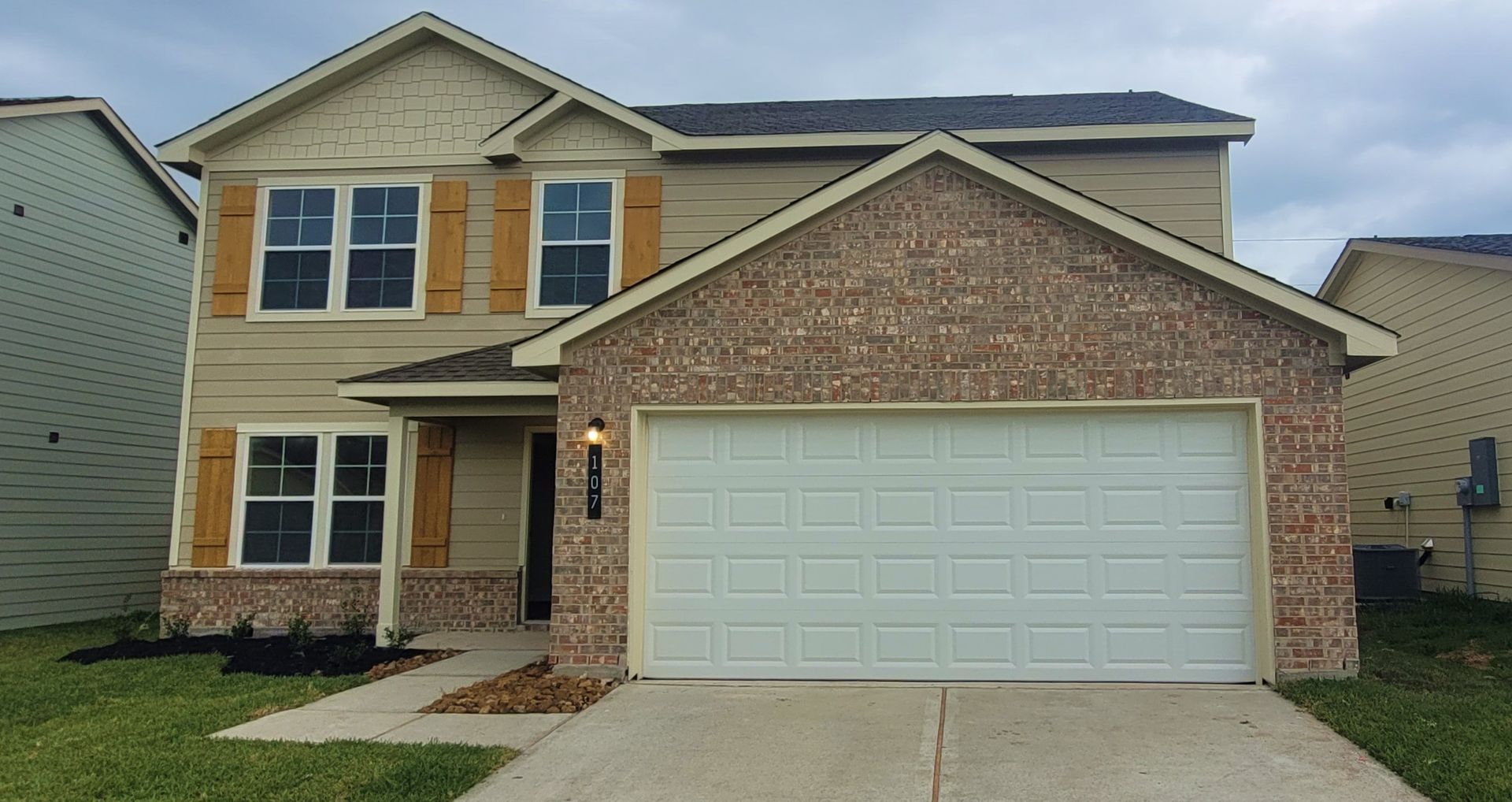
Introduction: Brick walls are a staple of construction, known for their durability and strength. However, without proper drainage, they can be susceptible to water damage and structural issues. That's where weep holes come in - small openings in the wall that allow water to escape. In this post, we'll explore the purpose and benefits of weep holes in brick walls.